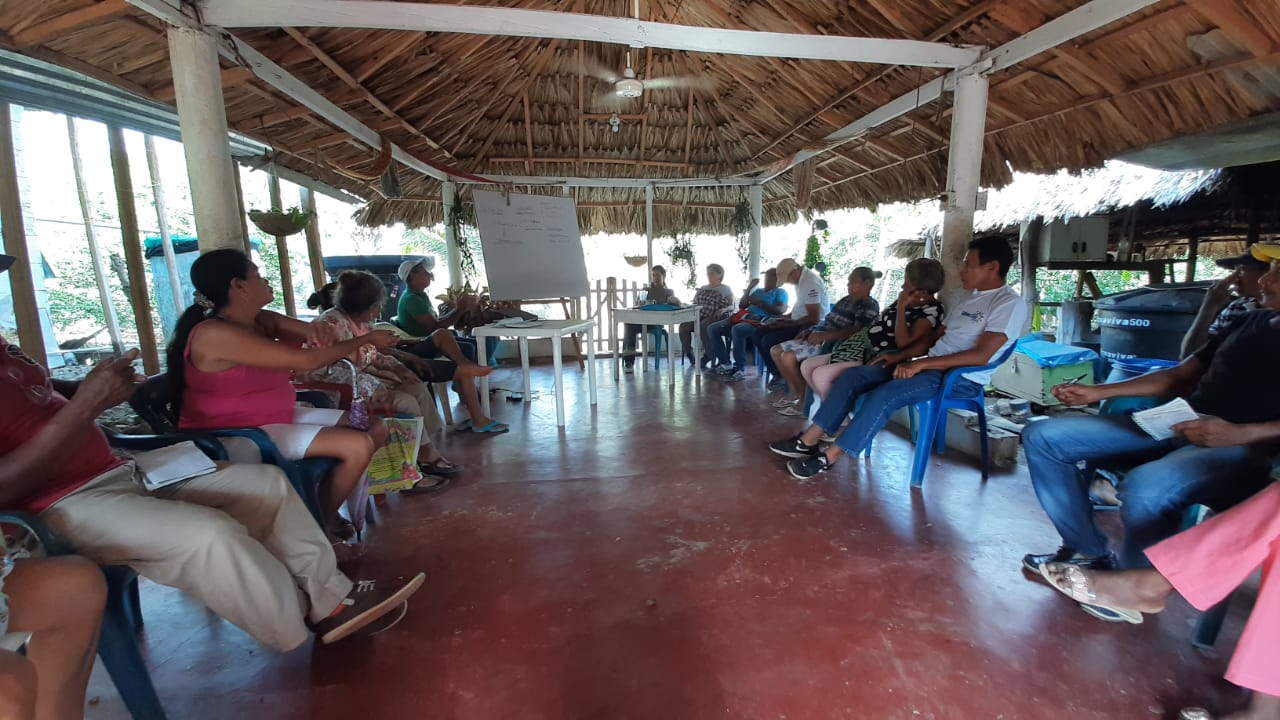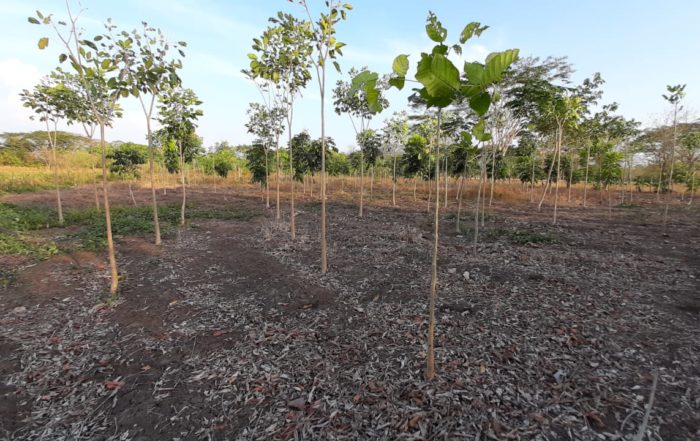
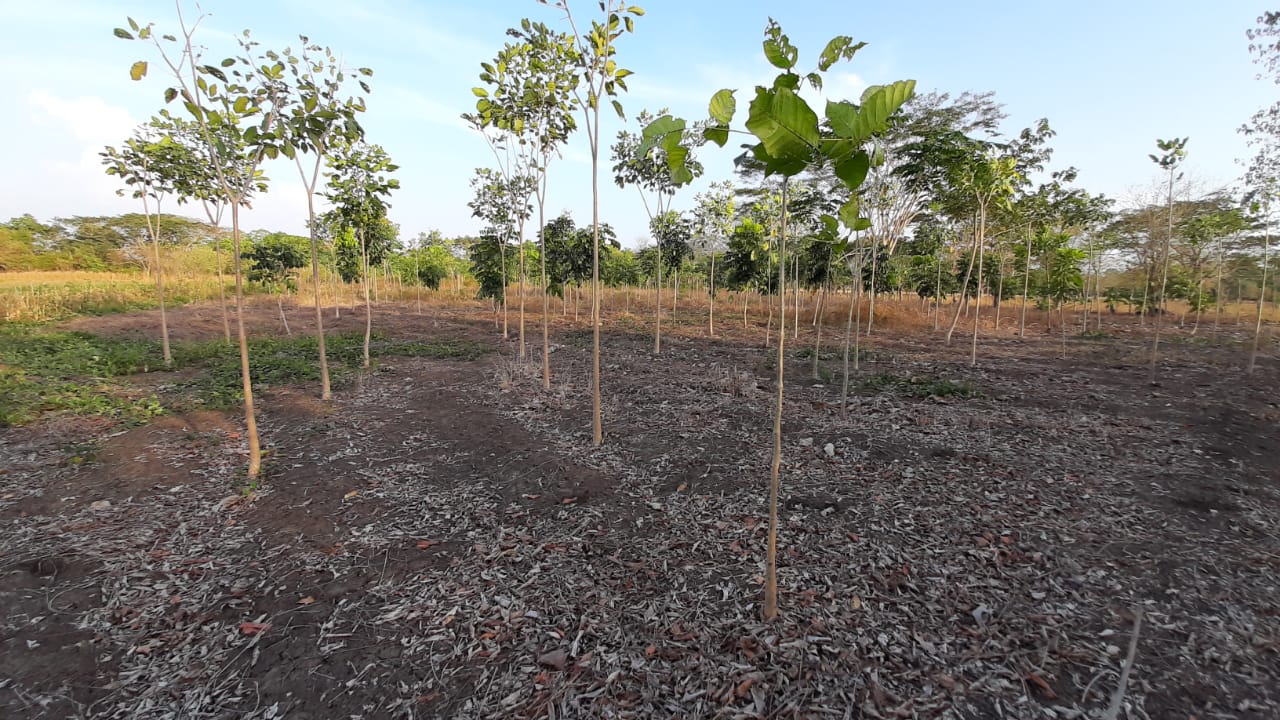
Initially implemented in collaboration with SWISSAID in 2021, support for these communities located near Sincelejo in the Sucre Department first focused on the development of agroforestry and silvopastoral systems.
Since 2024, this work has continued with a strong shift toward conservation, strengthening actions for the protection and restoration of the Tropical Dry Forest.
Toluviejo, a municipality with significant ecological and social challenges
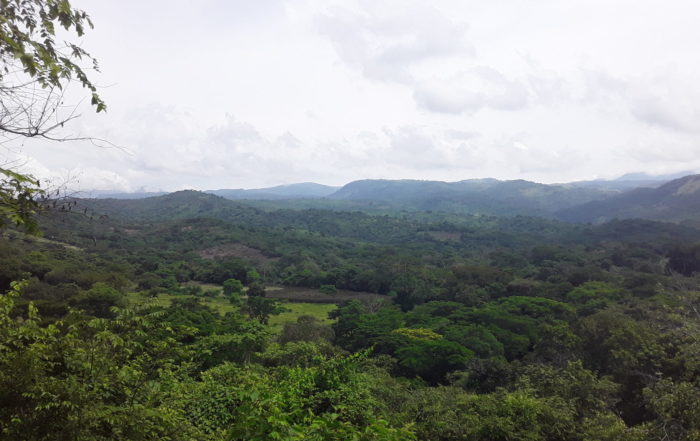
The first two villages, Coraza and La Siria, are situated around the Serranía de Coraza Protective Forest Reserve, while La Esperanza and La Venta are located near the Varsovia Hill. These four intervention areas, within the municipality of Toluviejo.
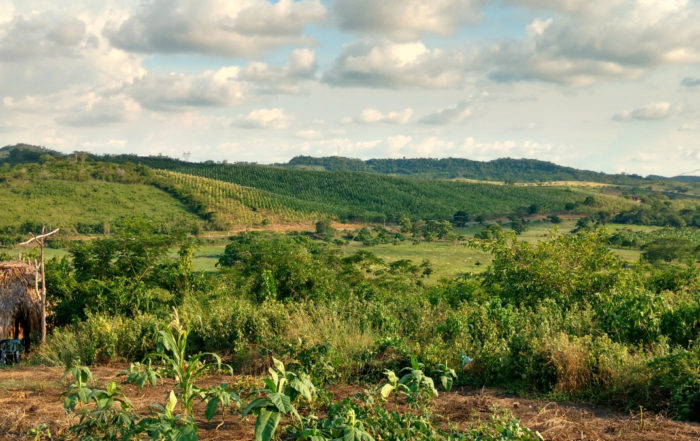
Historically, Toluviejo is a territory with low forest cover, due to three main activities: mining, extensive livestock farming, and slash-and-burn agriculture.
Most farmers practice family and subsistence farming, sometimes supplemented by the cultivation of crops such as cassava, corn, and yam for sale. Some of them also work as motorcycle taxi drivers to facilitate transportation between the different villages in the region.
The main threat to the forests of Toluviejo is limestone extraction, particularly on Varsovia Hill, which destroys the forest and degrades the quality of water consumed by local residents. Other secondary threats include illegal tree felling and, more rarely, slash-and-burn practices.
Restoration and conservation of an endemic biotope
The dry forests of the Caribbean region constitute a biotope vulnerable to local and global climate change. These areas are already experiencing irreversible impacts on the communities of Toluviejo due to rising temperatures and disruptions in annual rainfall patterns.
Envol Vert supports communities in defining and implementing their own conservation strategies. As part of this work, they have chosen to restore native species, aquatic and ecological corridors in environmentally important areas such as rivers, streams, and lakes to preserve water resources. At the same time, they ensure the protection of existing forest areas.
With this perspective, the communities aim to recover water sources and adapt to climate change through the conservation of tropical dry forests. These initiatives also contribute to the creation of protected ecological zones.
Biodiversity monitoring as a conservation toolt
Under Envol Vert’s conservation pillar, activities include biodiversity monitoring and observation, such as bird and primate watching, forest inventories, and the installation of camera traps.
Through these field projects, Envol Vert seeks to raise community awareness about the importance of biodiversity, strengthen local stakeholders’ sense of belonging to their territory, and contribute to the enrichment of scientific databases.
Economic autonomy of residents
Conservation of the tropical dry forest in Toluviejo is also supported by economic alternatives to deforestation, notably through the production and marketing of forest-derived products such as guáimaro and orejero. Envol Vert supports participants by providing training in food processing, marketing, and integrating them into the network of actors under the Tamandúa brand created by the NGO. In parallel, hibiscus cultivation has been introduced to communities, which they transform into a highly appreciated jam.
Envol Vert strengthens the capacities of two local associations in Toluviejo—ASOPROYUS and ASOJOVENES—to promote their autonomy and scale up economic alternatives.