
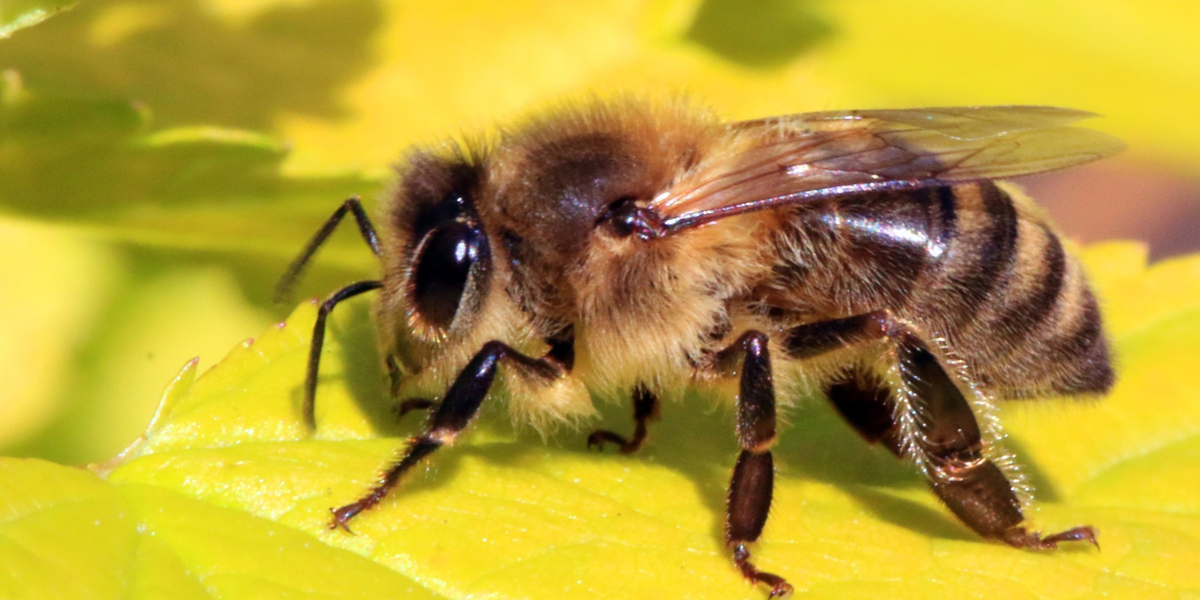
Amazonian stingless bees have no sting, and they play a major role in pollination and forest biodiversity. The Indigenous community of Piñuna Blanco has understood their importance. In Colombia, in this reserve, participants in the ConBosque project attended an introductory workshop on beekeeping. Forty-four people took part, including twenty-five women and eleven children.
Native and honey bees: a complementary coexistence
The workshop focused mainly on Apis mellifera, a semi-domesticated species raised on a large scale for honey production and pollination. In Colombia, honey bee keeping and management is a productive activity generally tied to smallholder family farming.
Through appropriate beekeeping and agricultural practices, this activity reflects a sustainable use of biodiversity. Over the years, the knowledge gained in this field has also encouraged the use of stingless bees through meliponiculture. Although knowledge on the subject is still limited in the country, native bees are generally recognised to coexist with Apis, which benefits pollination services and supports the development of derived products.
In some cases, beekeepers choose to manage both species together, or to focus specifically on native bees. In either scenario, keeping honey bees — whether introduced or native — with good management practices contributes to the knowledge, conservation and sustainable use of biodiversity. The community plans to work with both species.
Beekeeping basics: from pollination to hive products
The workshop aimed to give participants a basic grounding in this activity, which matters both economically and environmentally. Over the course of the day, the session covered the fundamentals of beekeeping, starting with the role of bees in pollination and their contribution to preserving ecosystems and to food sovereignty.
The training went on to explain the difference between honey bees and other pollinating insects, the social organisation of the colony, and the specific roles of the queen, the workers and the drones. Trainers presented the main parts of a hive, personal protective equipment, and the basic tools beekeepers use to handle bees safely. The session also addressed setting up an apiary, including suitable siting conditions, good management practices, feeding colonies, and basic health care to keep them productive.
Participants also learned that once the dry season begins, preparation of the biological material needed to deliver the hives can start. To ensure this material reaches them in the best possible condition, a wait of three to four months will be necessary.
Finally, the main hive products — honey, pollen, propolis, beeswax and royal jelly — were presented, highlighting their economic and nutritional value. The workshop gave participants the essential grounding the project needs to succeed.
An apiary visit for hands-on training
At the end of the workshop, participants agreed to organise a field visit to the apiaries and honey bee operations of farmers from the Asociación de Desarrollo Integral Sostenible de La Perla Amazónica (ADISPA), in order to strengthen the knowledge needed to set up apiaries and honey bee operations properly. The visit will take place once the rainy season has ended in the region.
Share This Story, Choose Your Platform!

What is your impact on forests?

What is your impact on forests?