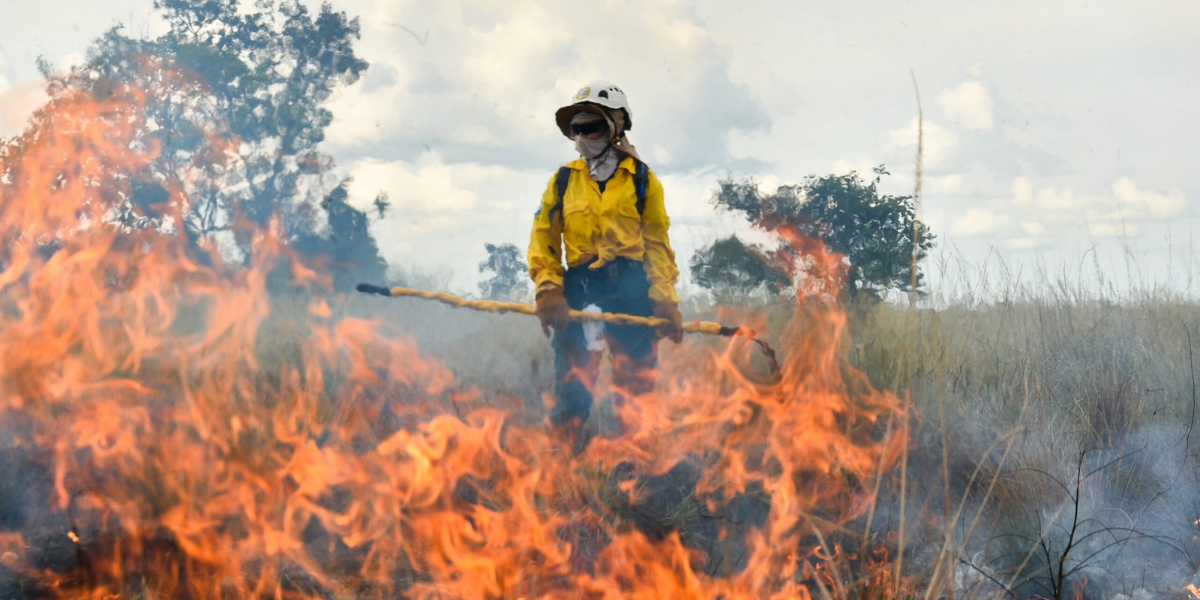
Wildfires are ravaging Colombia! For more than three weeks, flames have spread across miles, dangerously affecting ecosystems, crops, and homes in rural areas. The department of Tolima is particularly hard hit. Envol Vert is already warning that El Niño will worsen the wildfire crisis in the coming months. The association calls on the national and regional authorities to urgently scale up their response.
Dry Tropical Forests: Ecosystems Threatened by Flames
As of this publication, numerous fire fronts remain active across the country. The situation is particularly severe in Tolima, but several fire fronts have also been identified in Nariño, the Cauca Valley, Huila, and many other regions.
In the department of Tolima, more than 51,000 hectares of forest have been destroyed by flames, according to Portafolio. This is only the beginning of the fire season, which will be severely exacerbated by the El Niño phenomenon. In this context, Envol Vert issues an urgent appeal to the National Government and local autonomous corporations to step up the implementation of measures to tackle these events and anticipate future environmental, social, and economic disasters.
A Direct Impact on the Agricultural Economy and Farming Families
According to the Regional Autonomous Corporation of Tolima (Cortolima), affected areas mostly consist of cropland and pastures, as well as stubble, grasslands, open pastures, and shrublands. Envol Vert expresses its deep solidarity with the families affected by this tragedy, which jeopardizes their livelihoods and damages their living environment.
The Dry Tropical Forest and the its emblematic species in Danger
The fires do not only strike the agricultural economy and the livelihoods of peasant families. One of the country’s most vulnerable and threatened ecosystems is also under attack. Dry tropical gallery and riparian forests have been impacted, with at least 2,161 hectares damaged. The dry tropical forest, which retains only 8% of its original coverage, is home to numerous endemic species—notably the cotton-top tamarin (Oedipomidas oedipus), currently critically endangered.
For over 10 years, Envol Vert has been committed to preserving the dry tropical forest by supporting community conservation initiatives locally. From this work stems a deep conviction: every single hectare of dry tropical forest matters to prevent the extinction of hundreds of endemic species linked to this ecosystem.
El Niño 2026–2027: A Historic Drought Set to Worsen
Envol Vert expresses its support for everyone actively working to contain the fires, whether public institutions, prefectures, or civil society volunteer groups. Unfortunately, the phenomenon is only just beginning and will intensify.
The Peak of El Niño Expected Between November 2026 and February 2027
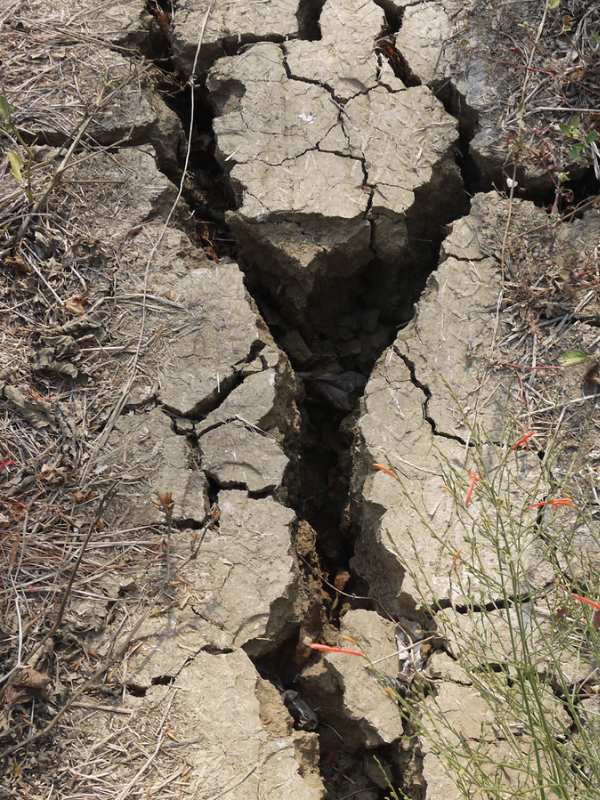
El Niño was described by the Institute of Hydrology, Meteorology and Environmental Studies (IDEAM) as one of the most intense fire periods recorded since 1950. It will reach its peak in Colombia between November 2026 and February 2027. Fire risks will intensify by lowering groundwater levels, reducing rainfall, drying out soil and vegetation, and driving up temperatures.
Drop in Rainfall and the Role of Climate Change
The phenomenon is already underway: according to Cortolima, between August 1 and August 20, the department of Tolima recorded only 16.7 mm of rain. The historical average for the same period is 42.9 mm—meaning only 39% of expected rainfall was received.
El Niño is not a new phenomenon, but it is exacerbated by human-induced climate change. According to reports by the Intergovernmental Panel on Climate Change (IPCC), human activity increases the frequency and intensity of extreme weather events.
The National Unit for Disaster Risk Management (UNGRD) is currently devoting a large portion of its operational capacity to assisting victims of the August 10, 2026 earthquake. This underlines the severity of the situation and reduces the resources available to tackle both emergency situations simultaneously.
Envol Vert’s Action Plan: 14 Emergency Measures to Address the Fires
Envol Vert commends the efforts already deployed by the various stakeholders involved: the national government, local authorities, firefighters, the National Unit for Disaster Risk Management (UNGRD), prefectures, and civil defense.
To contain the fires, it urgently calls for strengthening their intervention through the following measures:
Action Recommendations to Extinguish Ongoing Fires
- 1Urgently contain and control active blazes by maintaining and reinforcing the mobilization of all necessary resources.
- 2Ensure transparency regarding the resources deployed and progress made in controlling the fires.
- 3Prioritize the protection of vulnerable ecosystems, water resources, soils, and native vegetation, as well as inhabited and populated areas.
Objectives to Prevent Recurring Fires
- 1Urgently contain and control active blazes by maintaining and reinforcing the mobilization of all necessary resources.
- 2Ensure transparency regarding the resources deployed and progress made in controlling the fires.
- 3Implement prevention programs in high-risk rural areas to limit activities likely to trigger fires and to strengthen community response capacities.
- 4Maintain the suspension of agricultural burning in municipalities with active fire fronts to prevent new outbreaks, and reduce agricultural burning operations to the absolute minimum throughout the duration of El Niño. Short-term support for farmers in affected areas is crucial to finding alternatives, alongside compensatory measures for burning suspensions when no alternative is viable.
- 5Investigate criminal liability behind at least some of the fires. Envol Vert is particularly concerned about the apparent overlap between fire fronts and the “Valle Superior del Magdalena 4” exploration block designated for non-conventional hydrocarbon extraction ( fracking)—a correlation that warrants thorough investigation.
Actions to Help Communities Adapt to Increasingly Frequent Crises
- 1Implement prevention plans to minimize fire hazards for non-agricultural sectors, particularly primary and industrial sectors with documented risks.
- 2Enable the mobilization of resources for the UNGRD and other firefighting bodies, while ensuring transparency and efficiency in their deployment.
- 3
Strengthen on-the-ground implementation of the new National Wildfire Risk Management Program, which provides for joint intervention by state services and communities, as well as the creation of standardized, certified forestry brigades.
- 4Adapt the most vulnerable territories to climate change by promoting a risk mitigation culture and replacing controlled burning with safer agricultural practices.
- 5Implement coordinated greenhouse gas emission reduction programs, which exacerbate climate change and its most visible effects, such as wildfires.
- 6Adapt the most vulnerable territories to climate change by promoting a risk mitigation culture and replacing controlled burning with safer agricultural practices.
The government can count on the action of civil society and non-governmental organizations that have been working in Colombia for decades to conserve its ecosystems.
Taking action today means protecting the future of all Colombians!
Share This Story, Choose Your Platform!

What is your impact on forests?

What is your impact on forests?