In Piamonte, Cauca, new conservation agreements protect local biodiversity
In April, the Envol Vert team carried out a wide range of activities in Piamonte, in the department of Cauca, as part of the ConBosque project. Biodiversity inventories, participatory workshops and community dialogue all took center stage. One highlight stood out in particular: the signing of new conservation agreements by farmers from the hamlets of La Samaritana, Miraflor and Piamonte. Here is a look back at these advances for the protection of forests and the people who live in them.
Exploring the land with the local community to learn about biodiversity
A third field visit was carried out, enabling a community inventory and participatory characterization of reptiles, amphibians and birds. Twenty-five people took part.
A fourth biodiversity workshop was also held, focused on water and its cycles. Held in the hamlets of La Samaritana, Miraflor and Piamonte, this activity aimed to help the community better understand the plant and animal species living in the forests, while strengthening scientific knowledge through experts and quality equipment.
Enabling the signing of essential conservation agreements in Piamonte, Cauca
To raise awareness of voluntary conservation agreements, an activity was held for farmers from the hamlets of La Samaritana, Miraflor and Piamonte. The protection and conservation commitments of participating farms were reviewed jointly. community conservation agreements , recording key information such as the size of their farms and sharing the adjustments they wish to incorporate before signing.
As land management tools, these agreements serve as a reference, since they define actions to be carried out within designated areas for biological conservation. Community members are thereby improving the management of their agricultural and livestock production zones. These spaces will also make it possible to update decisions based on farmers’ ongoing experience.
Building a shared understanding of the territory and its management
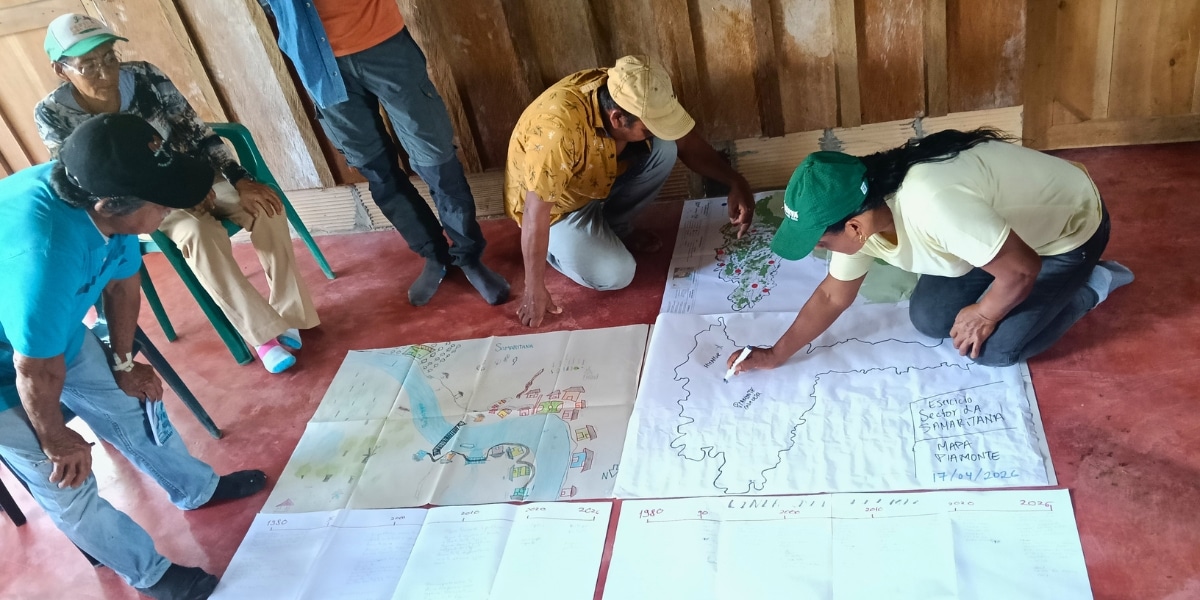
A third workshop on land-use planning and the environment was held in Piamonte. Its aim was to strengthen the community’s shared understanding of the territory and the changes it has undergone. As part of the workshop, exercises in territorial memory and community timeline-building were proposed, helping participants identify key changes and processes that had taken place across the territory.
Participatory exercises for preliminary zoning, geared toward land management and conservation, were also developed. These drew on the experience and practices each landowner had applied in managing their own farm. The workshop’s goal was to strengthen farmers’ commitment to the conservation agreements and their support for developing economic alternatives.
Opening a space for dialogue on ecology and environmental responsibility
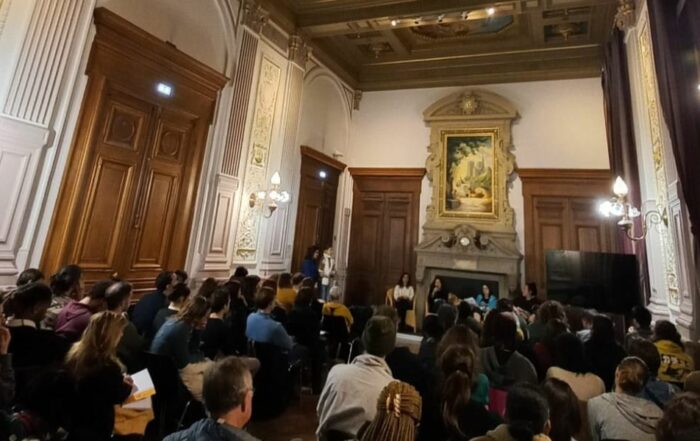
Another important gathering took place: a space for community dialogue. It addressed possible alternatives for countering the environmental impacts caused over recent decades, and supported the joint, participatory development of frameworks for the use and management of the various territorial categories that could be defined. Twenty community members took part in this activity.
Share This Story, Choose Your Platform!

What is your impact on forests?
What is your impact on forests?