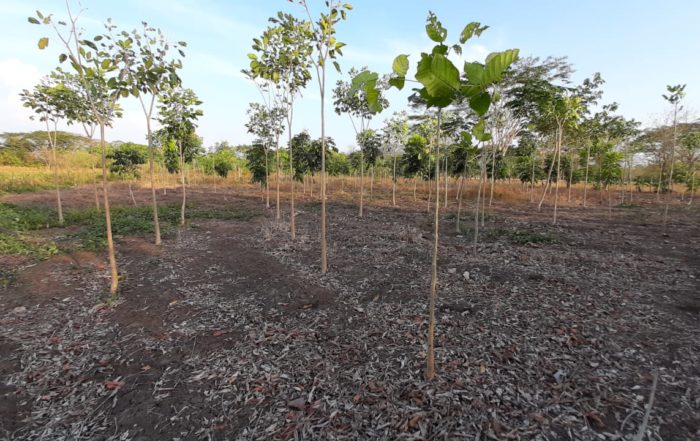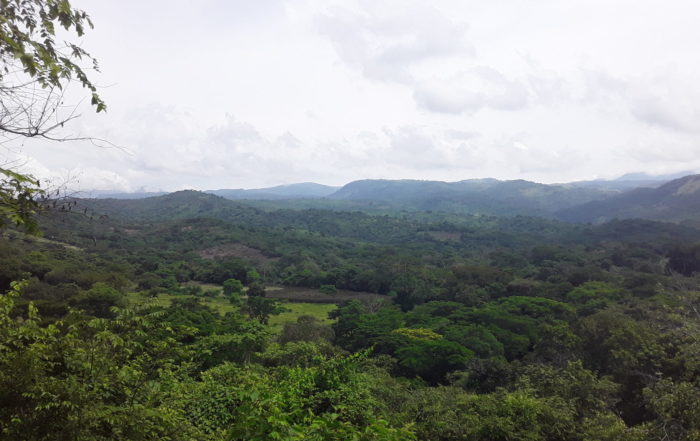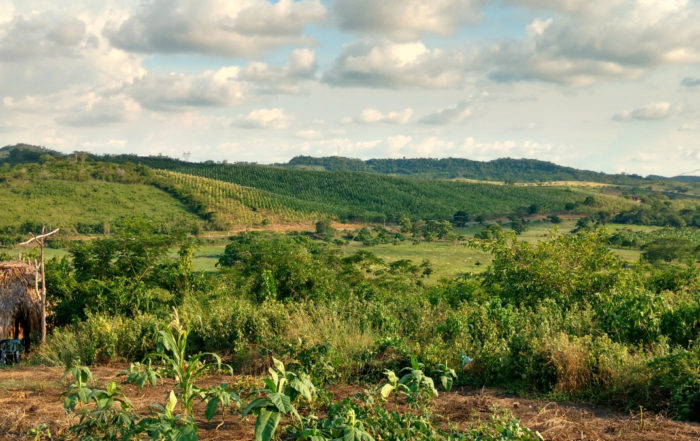

This project area, located in the Cesar Department, is situated within the Perijá–Zapatosa biogeographic region, along the Maracas, Manantiales, and Caño Rodrigo rivers, where the diversity of terrain creates a wide variety of landscapes.
Historically, as in many rural areas of Colombia, economic activity was dominated by different bonanzas—periods of rapid growth linked to a specific sector (dairy, oil, coffee, etc.). Since the 1970s, the main bonanza in the region has been mining.
The farmers involved in the project primarily focus on livestock and crop production, often using traditional practices such as burning, waste dispersal, or intensive use of agrochemicals. These methods, combined with the effects of climate change and deforestation, increase the ecosystem’s vulnerability and lead to environmental degradation that also affects agricultural yields. It is therefore essential to provide alternative land-use strategies and to promote sustainable practices in order to make existing activities compatible with forest conservation.
Unlike the other project sites, participants in Becerril own larger land areas, including several hectares of still-preserved forests. Community conservation strategies here focus on the restoration of the banks of major rivers and the formal establishment of civil-society reserves.
The challenges of sustainable local development
To encourage more sustainable forest use, one of the economic alternatives developed is the production of flour from the fruit of the Guáimaro or Maya Nut tree (Brosimum alicastrum). The goal is to valorize this local resource, promote its consumption, and structure a complete value chain—from harvest to processing—in collaboration with producers and the local association ASOVECAB (Asociación Verde Campesina de Becerril), which was created with support from Envol Vert.
This collaboration strengthens the operational capacities of a community organization that shares our values and makes it possible for conservation actions and forest value chains to be sustained over time.
At the same time, Envol Vert supports the adoption of silvopastoral systems, aiming to reduce the impacts of current environmental degradation and to preserve the essential ecosystem services provided by the tropical dry forest.