
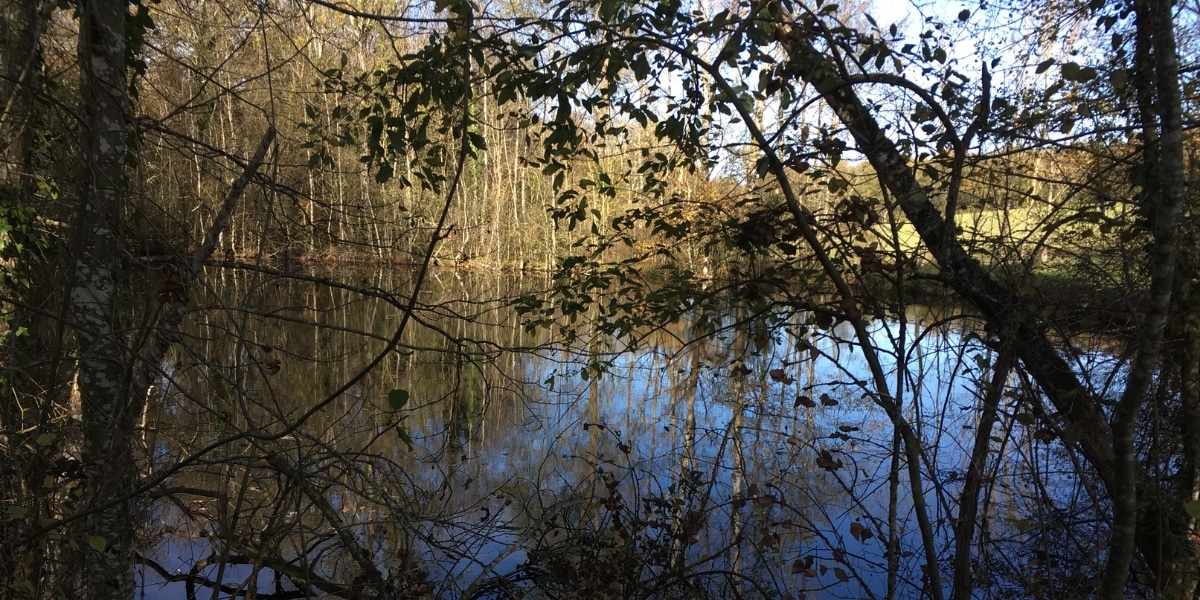
What is a pond?
We all have a mental image of a pond: we picture a small body of water, smaller than a lake, at the bottom of a garden. We might see a few frogs, two or three ducks, some water lilies, perhaps a smell of mud and some mosquitoes. Nothing particularly interesting at first glance, and yet, since 2019, we have been helping farmers to restore their ponds and create new ones. But why, you might ask?
Because a pond is a complex ecosystem, very often rich in biodiversity (amphibians, dragonflies, molluscs, crustaceans, aquatic insects, plants, etc.) and closely linked to neighbouring ecosystems. It is, in fact, a breeding ground, a refuge, or a larder for a great many species. They also provide shelter, enabling many living creatures to survive difficult temporary weather conditions (drought, fire, heatwaves, etc.).
Ponds are therefore a vital part of the agricultural and rural landscape, they are home to a wide variety of creatures, many of which help to keep crops healthy. Odonates, for example (an order of insects comprising dragonflies and damselflies), are top predators of insects, capable of devouring dozens of them every day. Watch out for crop pests: hunting within a radius of over 100 metres around its water source, the dragonfly effectively controls pests, and its larvae are no less effective, significantly reducing the risk of mosquito proliferation. And they are just a few among the pond’s wider fauna; toads and frogs are no slouches either when it comes to munching on their share of crop pests.
As well as its importance for biodiversity, the pond also offers significant benefits to the agricultural systems with which it is linked. The dredged sludge, obtained by dredging the pond every 5 to 10 years (because, yes, a pond requires maintenance), is very rich in nutrients and has long been highly prized for enriching the soil. The water it contains helps to retain moisture in the surrounding soil and can potentially be used to irrigate crops, but be careful! This can endanger the pond’s inhabitants.
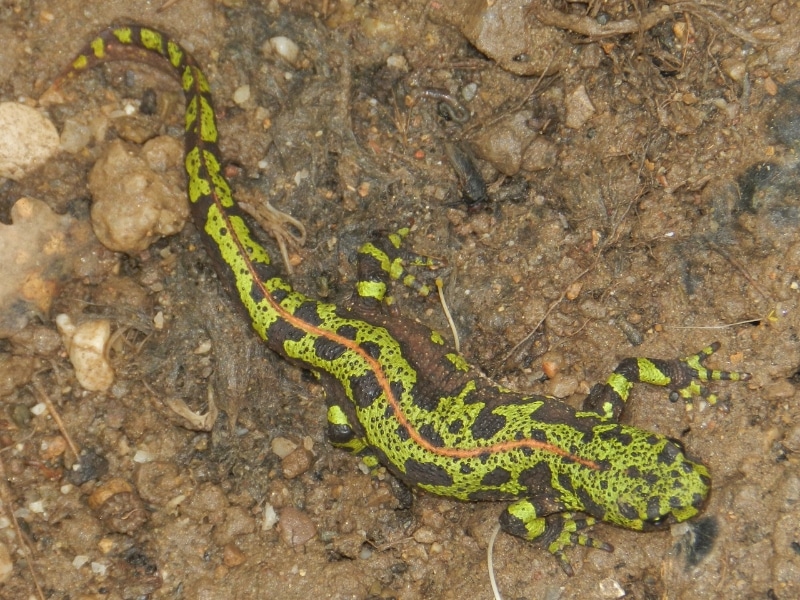
But how do you go about installing a pond?
Well, you dig it out, but you still need to know how to go about it. You will need to:
We have therefore supported the restoration and excavation of 45 ponds over the six years of the project. If you would like to find out more, we have produced a technical sheet explaining the finer points of creating a pond; whilst it is not worth undertaking without professional guidance, it is available (in French) here:
Share This Story, Choose Your Platform!


What is your impact on forests?

What is your impact on forests?