![[Projet TITI]Vue aerienne0 sept16©A.Vigneron](http://envol-vert.org/wp-content/plugins/revslider-disabled/public/assets/assets/dummy.png "[Projet TITI]Vue aerienne0_sept16©A.Vigneron")
The goal of this program, carried out in the Colombian Caribbean, is to preserve the last dry forests, of which only 8% of the original area remains. Envol Vert works for community-based biodiversity conservation, climate adaptation, and the development of economic alternatives to deforestation.
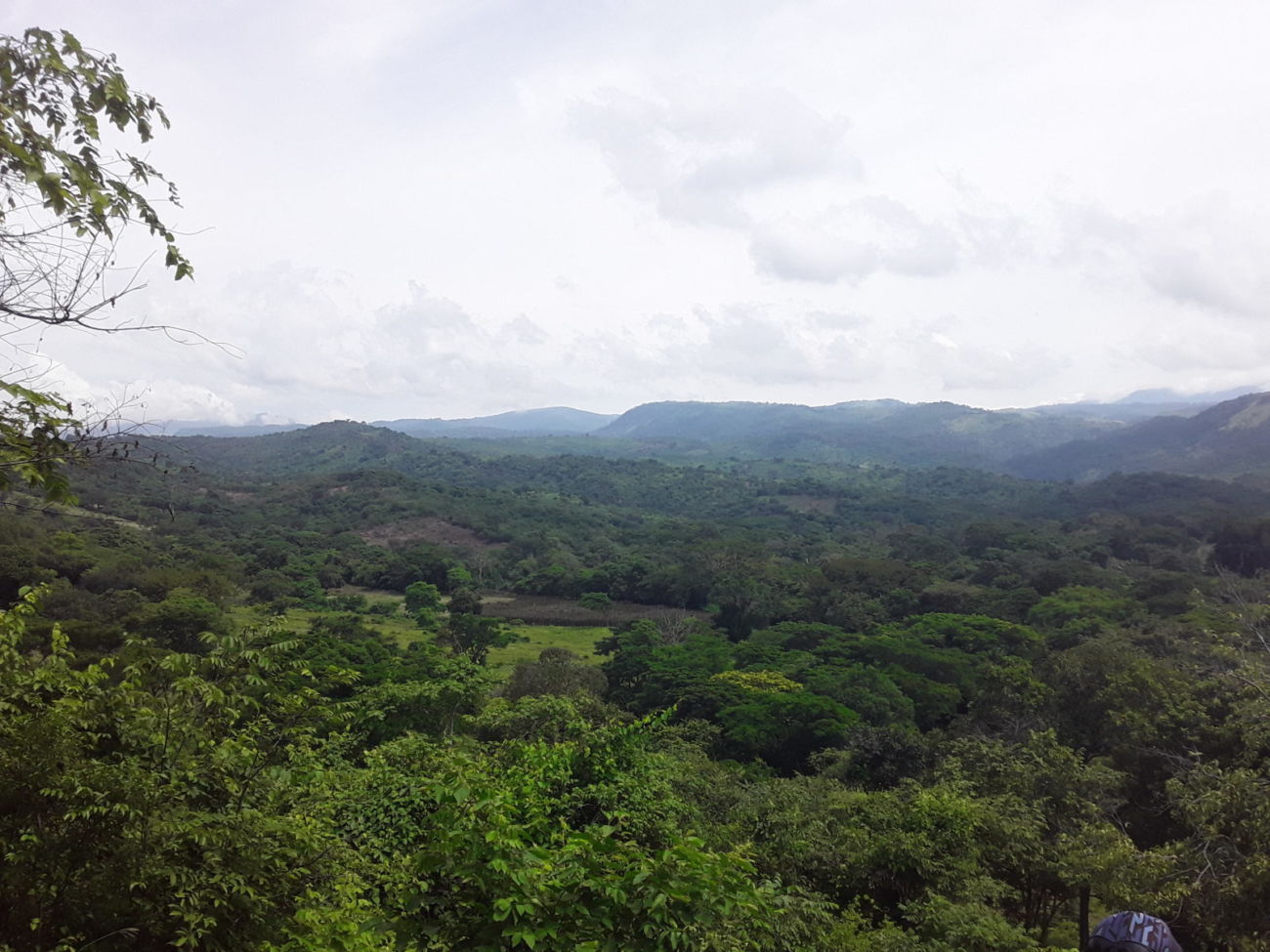
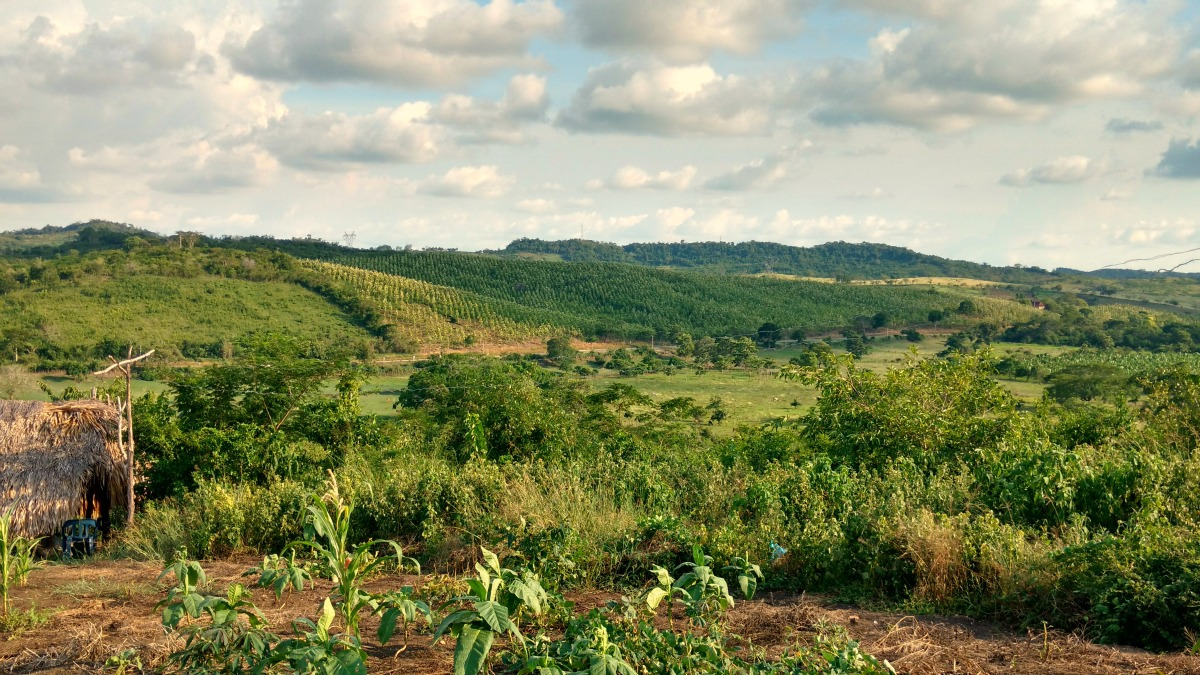
Today, the Tropical Dry Forest covers only 8% of its original area in Colombia. Threatened by climate change, agriculture, livestock, and mining, it is among the country’s most fragile ecosystems. In the Colombian Caribbean region, where 40% of this forest is concentrated, rural, Indigenous, Afro-descendant, and displaced communities face poverty, land inequality, and the consequences of armed conflict.
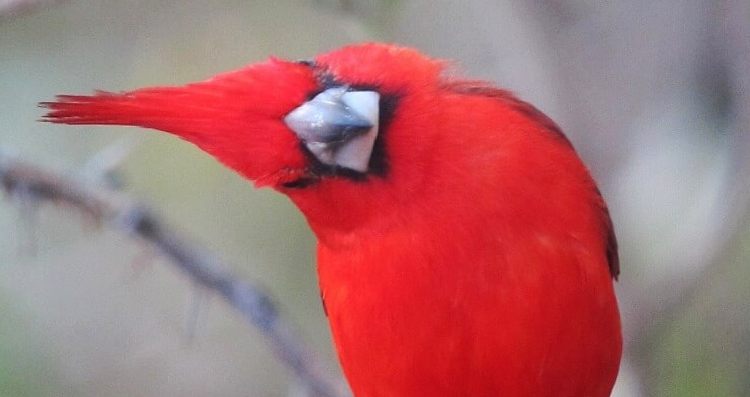
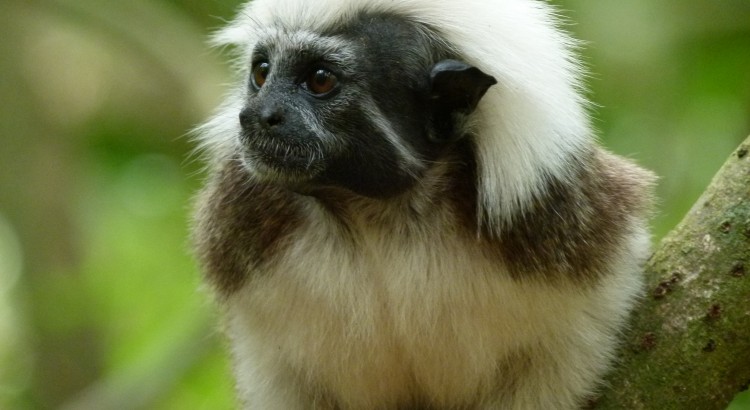
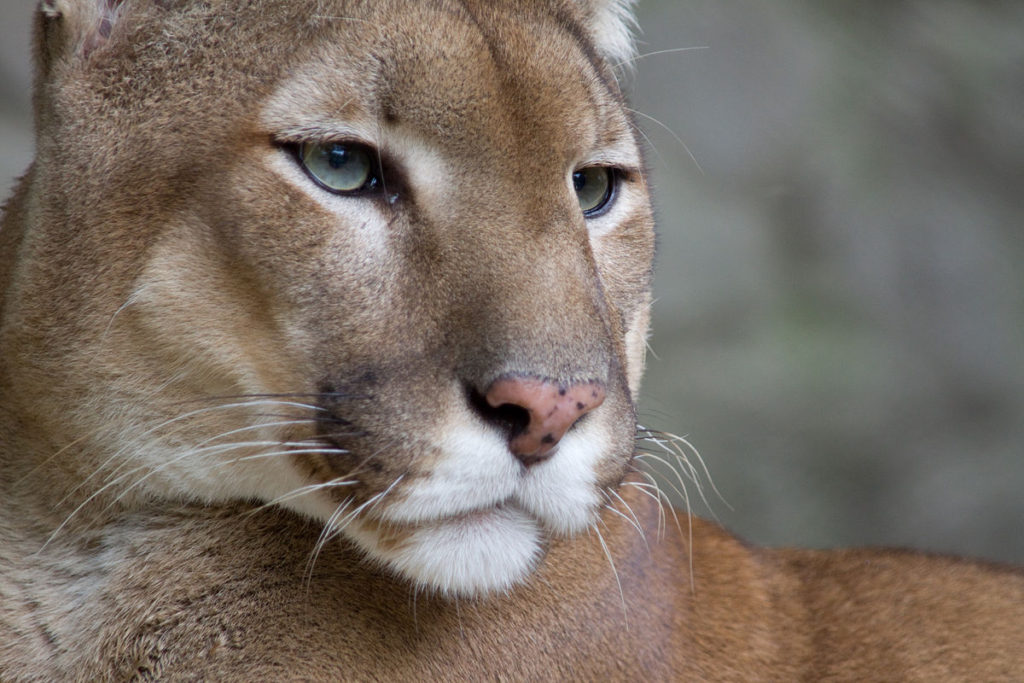
The tropical dry forest is also home to iconic regional species, including the white-headed titi monkey, peccary, and ocelot—threatened species whose survival depends directly on the conservation of this unique ecosystem.
Since its creation in 2016, this program has been implemented in 5 departments and 7 municipalities of the Caribbean region to promote sustainable production systems and develop economic alternatives to deforestation, engaging over 700 participants and their local associations. Key figures include 18 collective nurseries, the planting of more than 52,000 native trees, over 250 hectares converted to agroforestry and silvopastoral systems, the development and marketing of 5 supply chains and 18 biodiversity-based products, the strengthening of 8 producer associations, and the sensitization of more than 7,000 people through 15 campaigns mobilizing public, private, and civil society actors.
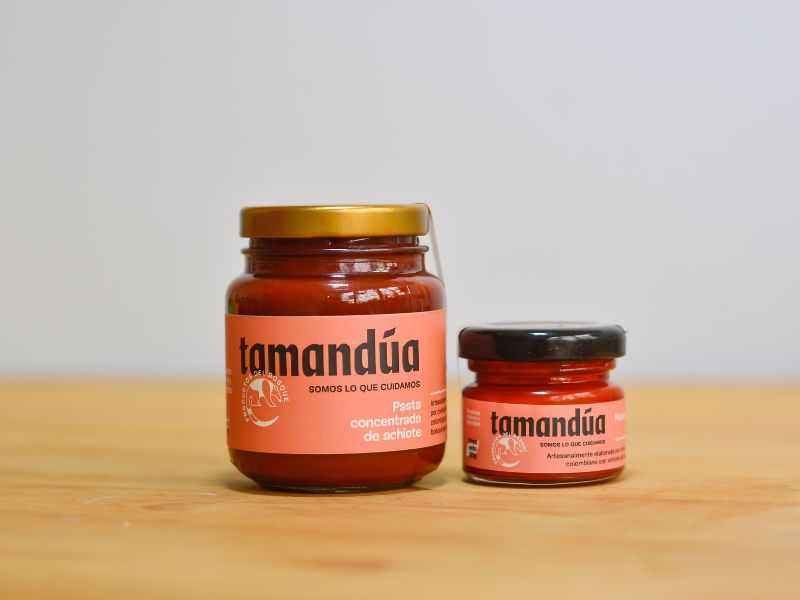
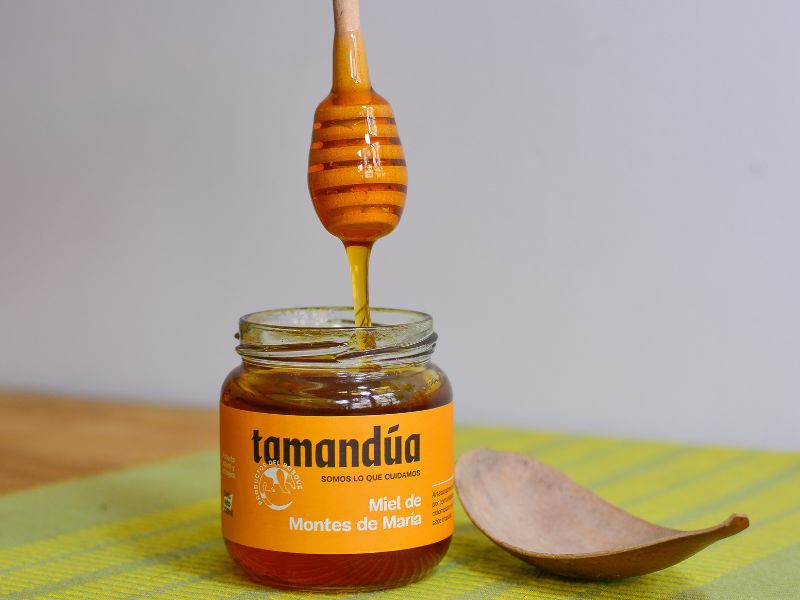
This work has also led to the development of the solidarity brand Tamandúa, which promotes forest-derived products and supports a fair local economy.
Building on its territorial anchoring and achievements, since 2024 the program has refocused on improving knowledge of local biodiversity, community-based conservation and restoration of the remaining tropical dry forests for climate adaptation (soil regeneration, water resources, ecological connectivity), strengthening territorial governance, and scaling up economic alternatives, with a focus on capacity building and autonomy for women, youth, and local associations.
It is currently active in three strategic intervention areas for the preservation of the last remnants of this emblematic forest and supports 200 participants and 5 producer associations in Ovejas and Toluviejo in the Montes de María (Sucre Department) and Becerril in the Serranía del Perijá (Cesar Department), combining sustainable local development with environmental justice.
Immersion in the Dry Forest Program Colombia
Discover the Programme in the documentary ‘At the Roots of Change’
Click on the interactive map to reveal the detail of each of the projects plots, who’s involved and the latest news for each site
Newsfeed
Interviews
The actors of the project, participating farmers but also salaried or voluntary workers talk about the project.
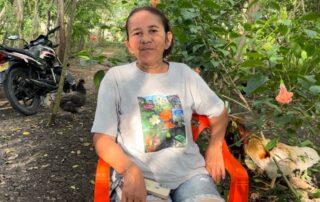
Patricia, farmer from Villa Colombia, Ovejas
Introduction“My name is Patricia Chamorro Arrieta. I live in the [...]
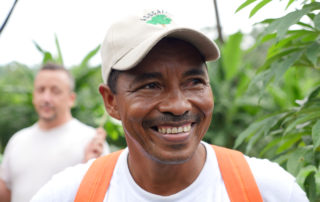
Victor, habitant de los Limites, “El Profe”
Tous ses voisins l’appellent « El profe » (le prof). Quand la sécheresse [...]
Pilot sites
The program has seen the launch of 3 projects along the Colombian Caribbean coast.
Discover here the specificities of each area.
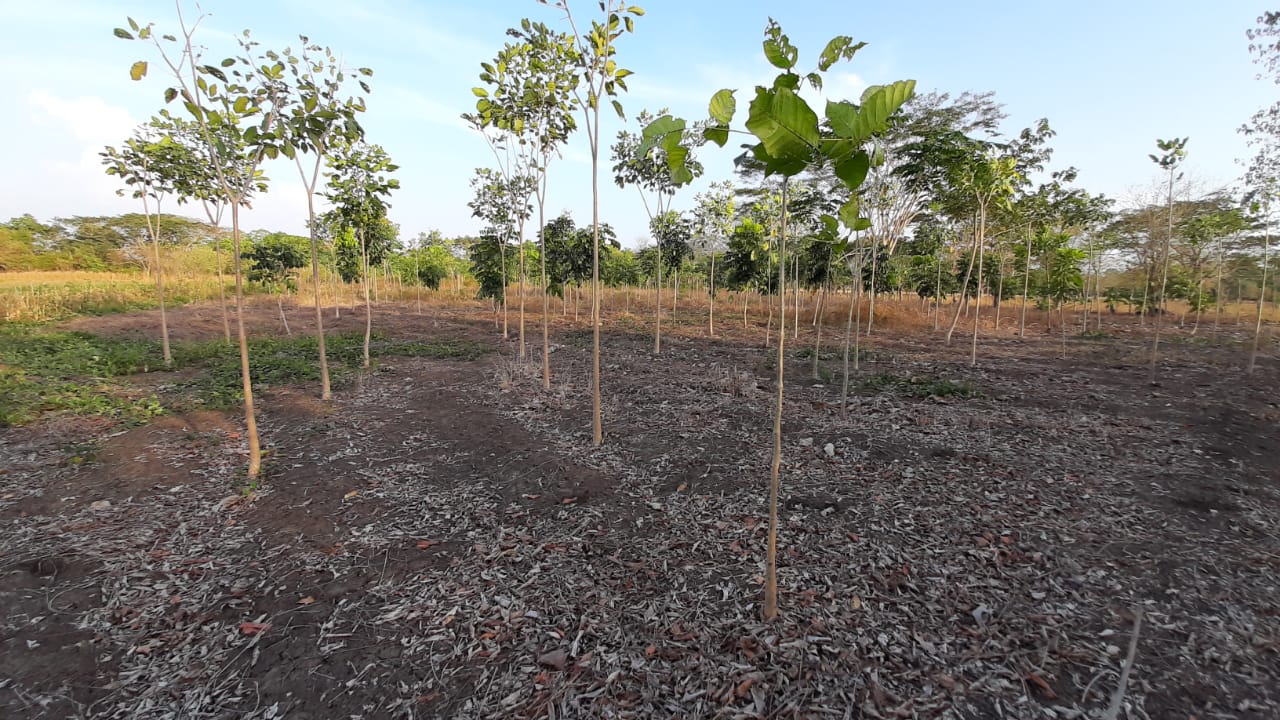
Economic alternatives
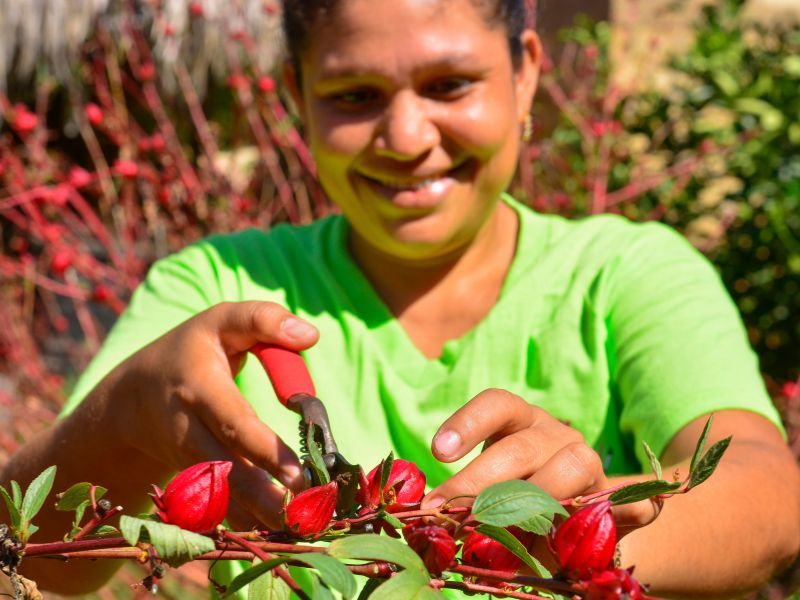
For farmers to have a vested interest in preserving the standing forest, the living forest,
we work with them on alternative economic models, we process new products and have even created a new brand “Tamandua”.



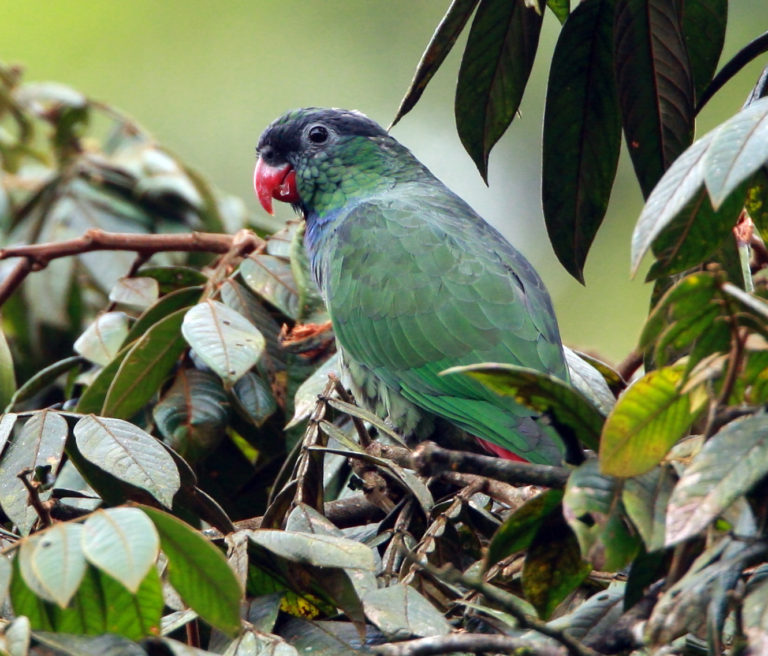
Emblematic species
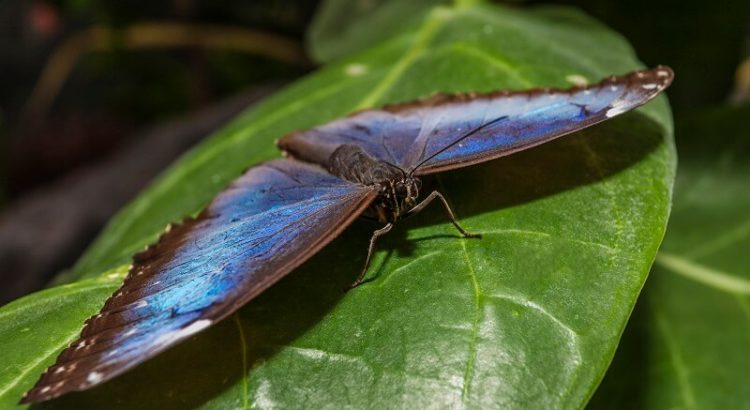
Introducing some of the emblematic species present in the project area.